Thursday, November 20, 2014
Employability Skills Reflection
Now that I've heard someone in real life talk about employability skills, I can see the benefits of the soft skills I use in school every day. Things like having a positive attitude and being conscious of the impression that I give people are important parts of being a good employee and climbing the latter of success. And now I know that I'm on the right track and plan to continue to project a positive image, which is something that makes someone's brand respectable.

Friday, October 24, 2014
GeorgiaCollege411.org Explorations

I signed up for GeorgiaCollege411.org and took the Career Interest Profiler. I think agree with the results I got.
Monday, October 13, 2014
Engineering Concepts Midterm Study Guide
Lab Colors
Reverse Engineering
Reverse engineering is the technique of taking something apart to understand it.
TSA website – Main facts
Motto: Learning to Live in a technical world.
Number of Officers: Seven
What is a CTSO
Career technology student organization.
Color for TSA
Colors: Blue, white, and scarlet.
Go back and review the CTSO webinar video quiz
Go back and look at the information about the history of technology – know your time periods and definitions from the assignment titled “Designing your vocabulary words.”
- Paleolithic Age: the Old Stone Age, occurred between 500,000 BC and 10,000 BC and is marked by improvements to diet and security allowing the population to grow.
- Mesolithic Age: the Middle Stone Age, occurred between 10,000 BC and 4,000 BC and is marked by the domestication of animals and agriculture.
- Neolithic Age: the New Stone Age, occurred between 4,000 BC and 2,300 BC and is marked by specialization, division of labor, and the use of math and documentation of concepts.
- Bronze Age: the architectural period that includes combining copper and tin to produce bronze; occurred between 2,300 BC and 700 BC.
- Iron Age: the architectural period marked by the use of iron and steel; occurred between 700 BC and 450 AD.
- Middle Ages: the architectural period after the Roman Empire; divided into Early Middle Ages, High Middle Ages, and Late Middle Ages; occurred between 450 AD and 1,400 AD and marked by the development of tools of war.
- Renaissance: the architectural period marked by the revival of classical influence and the sharing of ideas; occurred between 1,400 AD and 1,750 AD.
- Industrial Age: the architectural period marked by the first use of complex machinery, factories and urbanization, occurring between 1,750 AD and 1,950 AD.
- Information Age: the architectural period marked by information sharing, gathering, manipulation, and retrieval; occurred between 1,950 AD and present.
Know what the purpose of an engineer’s design notebook is (format, design, etc.)
Edmodo post about the Engineering Design Notebook
Architectural scale measurements
An architect uses scale measurements to draw out designs that are smaller but represent a larger object.
Metric system conversions

Engineering Lettered

All letters capitalized, typically in 1/8 size.
Scale Factor
A system used so that smaller items can symbolize larger ones and vice versa. In engineering, mainly smaller symbolizing larger.
Understand what drafting is
Drafting is drawing a "pre-plan" that shows what is expected to be built.
Parametric/Surface modeling
Using CAD to display details and information about an object.
Orthographic/Multi – View Drawing
Multiview drawings are interpretations of an object that show different sides. Typically the front, top, and side.
Maker Movement
Know the difference between wire frame models, surface, and solid models
In order from most to least complex solid, surface, and wire frame models show details about the object that is being built.
TSA website – Main facts
Number of Officers: Seven
- Paleolithic Age: the Old Stone Age, occurred between 500,000 BC and 10,000 BC and is marked by improvements to diet and security allowing the population to grow.
- Mesolithic Age: the Middle Stone Age, occurred between 10,000 BC and 4,000 BC and is marked by the domestication of animals and agriculture.
- Neolithic Age: the New Stone Age, occurred between 4,000 BC and 2,300 BC and is marked by specialization, division of labor, and the use of math and documentation of concepts.
- Bronze Age: the architectural period that includes combining copper and tin to produce bronze; occurred between 2,300 BC and 700 BC.
- Iron Age: the architectural period marked by the use of iron and steel; occurred between 700 BC and 450 AD.
- Middle Ages: the architectural period after the Roman Empire; divided into Early Middle Ages, High Middle Ages, and Late Middle Ages; occurred between 450 AD and 1,400 AD and marked by the development of tools of war.
- Renaissance: the architectural period marked by the revival of classical influence and the sharing of ideas; occurred between 1,400 AD and 1,750 AD.
- Industrial Age: the architectural period marked by the first use of complex machinery, factories and urbanization, occurring between 1,750 AD and 1,950 AD.
- Information Age: the architectural period marked by information sharing, gathering, manipulation, and retrieval; occurred between 1,950 AD and present.
Know what the purpose of an engineer’s design notebook is (format, design, etc.)
Edmodo post about the Engineering Design Notebook
Architectural scale measurements
An architect uses scale measurements to draw out designs that are smaller but represent a larger object.Engineering Lettered
All letters capitalized, typically in 1/8 size.
A system used so that smaller items can symbolize larger ones and vice versa. In engineering, mainly smaller symbolizing larger.
Drafting is drawing a "pre-plan" that shows what is expected to be built.
Using CAD to display details and information about an object.
Multiview drawings are interpretations of an object that show different sides. Typically the front, top, and side.
In order from most to least complex solid, surface, and wire frame models show details about the object that is being built.
Monday, September 15, 2014
Technology Through the Ages
Technology: the study of the designed world. Used to solve practical problems and extend human capabilities. Developments in technology are evolutionary, and are often the result of a series of refinements to an idea or basic invention.

Impacts of Technology: are divided into four categories: social (the impact on people), political (the impact on policy and laws), cultural (the impact on human achievement), and economic (the impact on the economy).
Paleolithic Age: the Old Stone Age, occurred between 500,000 BC and 10,000 BC and is marked by improvements to diet and security allowing the population to grow.

Mesolithic Age: the Middle Stone Age, occurred between 10,000 BC and 4,000 BC and is marked by the domestication of animals and agriculture.
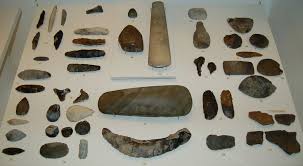
Neolithic Age: the New Stone Age, occurred between 4,000 BC and 2,300 BC and is marked by specialization, division of labor, and the use of math and documentation of concepts.

Bronze Age: the architectural period that includes combining copper and tin to produce bronze; occurred between 2,300 BC and 700 BC.

Iron Age: the architectural period marked by the use of iron and steel; occurred between 700 BC and 450 AD.

Middle Ages: the architectural period after the Roman Empire; divided into Early Middle Ages, High Middle Ages, and Late Middle Ages; occurred between 450 AD and 1,400 AD and marked by the development of tools of war.

Renaissance: the architectural period marked by the revival of classical influence and the sharing of ideas; occurred between 1,400 AD and 1,750 AD.

Industrial Age: the architectural period marked by the first use of complex machinery, factories and urbanization, occurring between 1,750 AD and 1,950 AD.

Information Age: the architectural period marked by information sharing, gathering, manipulation, and retrieval; occurred between 1,950 AD and present.

Impacts of Technology: are divided into four categories: social (the impact on people), political (the impact on policy and laws), cultural (the impact on human achievement), and economic (the impact on the economy).
Paleolithic Age: the Old Stone Age, occurred between 500,000 BC and 10,000 BC and is marked by improvements to diet and security allowing the population to grow.
Mesolithic Age: the Middle Stone Age, occurred between 10,000 BC and 4,000 BC and is marked by the domestication of animals and agriculture.
Neolithic Age: the New Stone Age, occurred between 4,000 BC and 2,300 BC and is marked by specialization, division of labor, and the use of math and documentation of concepts.
Bronze Age: the architectural period that includes combining copper and tin to produce bronze; occurred between 2,300 BC and 700 BC.

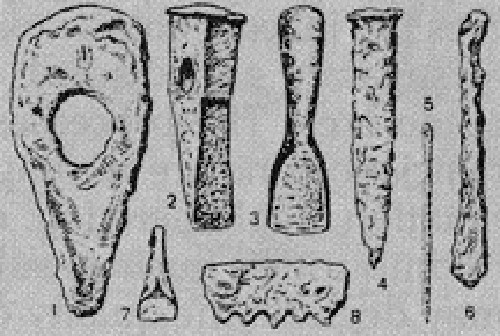
Middle Ages: the architectural period after the Roman Empire; divided into Early Middle Ages, High Middle Ages, and Late Middle Ages; occurred between 450 AD and 1,400 AD and marked by the development of tools of war.
Renaissance: the architectural period marked by the revival of classical influence and the sharing of ideas; occurred between 1,400 AD and 1,750 AD.

Industrial Age: the architectural period marked by the first use of complex machinery, factories and urbanization, occurring between 1,750 AD and 1,950 AD.
Information Age: the architectural period marked by information sharing, gathering, manipulation, and retrieval; occurred between 1,950 AD and present.
Subscribe to:
Posts (Atom)