Tuesday, March 24, 2015

Tech Bowl Questions

MIPS, a common speed measurement for computers, stands for:
Millions of Instructions per Second
Most training in industry is done:
On the job
Reprinted artwork that is to be cut and pasted-up to complete a mechanical is:
Clip art
_____________ ask customers questions about products they use.
Consumer surveys
"Big Blue" is a nickname for what computer company?
IBM
What document language do World Wide Web clients interpret to create the hypertext documents that make it so popular and easy to use with the Internet?
HTML
What does LAN stand for?
local area network
What high-level programming language was developed for the US Department of Defense?
Ada
Parliamentary procedure will be governed by __________.
 Robert's Rules of Order
The secretary records the __________ of all meetings-formal, informal, and called meetings.
Minutes
RGB, CMYK, and HSV are common ways to represent:
Color

This printing procedure shoots ink droplets onto paper. This is a non-impact printer.
ink jet printing
A microprocessors clock speed is expressed in
MHz (megahertz)
In what decade were CAD systems introduced?
1960s
What is the set of rules for every programming language?
syntax
The __________ is the working part of the program.
 body
Which of the following color resolutions produces the most colors? 16.8 million colors are
possible with this type of monitor?
24 bit
The base of a natural logarithm (ln) is :
E
What math system is based on the numbers 0 and 1?
binary
In the equation for a line "y = mx + b", what is b?
y - intercept

Thursday, January 22, 2015

Putt Putt Boat Project


This is the putt putt boat my group completed today. The design seemed pretty solid, especially if someone had experience putting one together. But it was kind of hard for my group to understand all the steps involved. Nevertheless we made the boat and it did better than some when it came to staying afloat, although it was not the best.

Our boat didn't make the "putt putt" sound that it was named for. I assume that it was because there was not enough air pressure to make the sound of air leaving the straws that we call "putting". Maybe if the water we tested them in was deeper or if the boiler was shaped differently (like less flat) then more air would be pushed out and we would hear a putt.

Tuesday, January 6, 2015

New Years Resolutions


Happy New Years! This year is the year I plan to ace all my classes and in general do better in them. I plan to participate more and be more active in class, especially when it comes to things like group assignments and individual projects. I'm going to continue and do better in school and bring up my GPA.

Thursday, November 20, 2014

Employability Skills Reflection

Now that I've heard someone in real life talk about employability skills, I can see the benefits of the soft skills I use in school every day. Things like having a positive attitude and being conscious of the impression that I give people are important parts of being a good employee and climbing the latter of success. And now I know that I'm on the right track and plan to continue to project a positive image, which is something that makes someone's brand respectable.

Friday, October 24, 2014

GeorgiaCollege411.org Explorations


I signed up for GeorgiaCollege411.org and took the Career Interest Profiler. I think agree with the results I got.

Monday, October 13, 2014

Engineering Concepts Midterm Study Guide


Lab Colors

Reverse Engineering
Reverse engineering is the technique of taking something apart to understand it.

TSA website – Main facts
Motto: Learning to Live in a technical world.
Number of Officers: Seven

What is a CTSO
Career technology student organization.

Color for TSA
Colors: Blue, white, and scarlet.

Go back and review the CTSO webinar video quiz
Go back and look at the information about the history of technology – know your time periods and definitions from the assignment titled “Designing your vocabulary words.”
  • Paleolithic Age: the Old Stone Age, occurred between 500,000 BC and 10,000 BC and is marked by improvements to diet and security allowing the population to grow.
  • Mesolithic Age: the Middle Stone Age, occurred between 10,000 BC and 4,000 BC and is marked by the domestication of animals and agriculture.
  • Neolithic Age: the New Stone Age, occurred between 4,000 BC and 2,300 BC and is marked by specialization, division of labor, and the use of math and documentation of concepts.
  • Bronze Age: the architectural period that includes combining copper and tin to produce bronze; occurred between 2,300 BC and 700 BC.
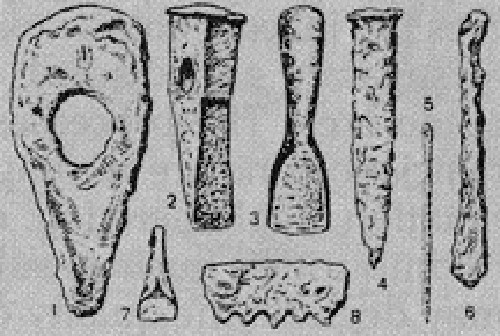
  • Iron Age: the architectural period marked by the use of iron and steel; occurred between 700 BC and 450 AD.
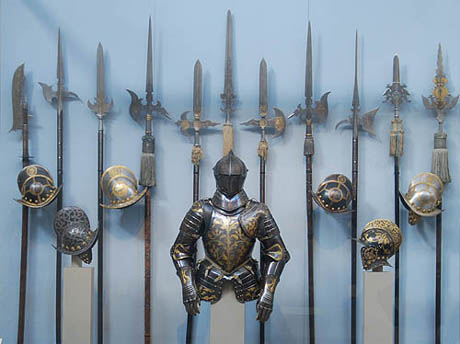
  • Middle Ages: the architectural period after the Roman Empire; divided into Early Middle Ages, High Middle Ages, and Late Middle Ages; occurred between 450 AD and 1,400 AD and marked by the development of tools of war.
  • Renaissance: the architectural period marked by the revival of classical influence and the sharing of ideas; occurred between 1,400 AD and 1,750 AD.
  • Industrial Age: the architectural period marked by the first use of complex machinery, factories and urbanization, occurring between 1,750 AD and 1,950 AD.
  • Information Age: the architectural period marked by information sharing, gathering, manipulation, and retrieval; occurred between 1,950 AD and present.
Know what the purpose of an engineer’s design notebook is (format, design, etc.)
Edmodo post about the Engineering Design Notebook

Architectural scale measurements
An architect uses scale measurements to draw out designs that are smaller but represent a larger object.

Metric system conversions

Engineering Lettered

All letters capitalized, typically in 1/8 size. 

Scale Factor
A system used so that smaller items can symbolize larger ones and vice versa. In engineering, mainly smaller symbolizing larger.

Understand what drafting is
Drafting is drawing a "pre-plan" that shows what is expected to be built.

Parametric/Surface modeling
Using CAD to display details and information about an object.

Orthographic/Multi – View Drawing
Multiview drawings are interpretations of an object that show different sides. Typically the front, top, and side.

Maker Movement


Know the difference between wire frame models, surface, and solid models
In order from most to least complex solid, surface, and wire frame models show details about the object that is being built.

Monday, September 15, 2014

Technology Through the Ages

Technology: the study of the designed world. Used to solve practical problems and extend human capabilities. Developments in technology are evolutionary, and are often the result of a series of refinements to an idea or basic invention.


Impacts of Technology: are divided into four categories: social (the impact on people), political (the impact on policy and laws), cultural (the impact on human achievement), and economic (the impact on the economy).


Paleolithic Age: the Old Stone Age, occurred between 500,000 BC and 10,000 BC and is marked by improvements to diet and security allowing the population to grow.


Mesolithic Age: the Middle Stone Age, occurred between 10,000 BC and 4,000 BC and is marked by the domestication of animals and agriculture.


Neolithic Age: the New Stone Age, occurred between 4,000 BC and 2,300 BC and is marked by specialization, division of labor, and the use of math and documentation of concepts.


Bronze Age: the architectural period that includes combining copper and tin to produce bronze; occurred between 2,300 BC and 700 BC.


Iron Age: the architectural period marked by the use of iron and steel; occurred between 700 BC and 450 AD.


Middle Ages: the architectural period after the Roman Empire; divided into Early Middle Ages, High Middle Ages, and Late Middle Ages; occurred between 450 AD and 1,400 AD and marked by the development of tools of war.


Renaissance: the architectural period marked by the revival of classical influence and the sharing of ideas; occurred between 1,400 AD and 1,750 AD.


Industrial Age: the architectural period marked by the first use of complex machinery, factories and urbanization, occurring between 1,750 AD and 1,950 AD.


Information Age: the architectural period marked by information sharing, gathering, manipulation, and retrieval; occurred between 1,950 AD and present.